

The Moment Your Thumb Knows: How T&S Medals Is Raising the Standard of Golf Awards
A family business that makes medals for kings is bringing its four-decade standard of craftsmanship to elite golf — and the numbers behind the industry's award culture may surprise you.

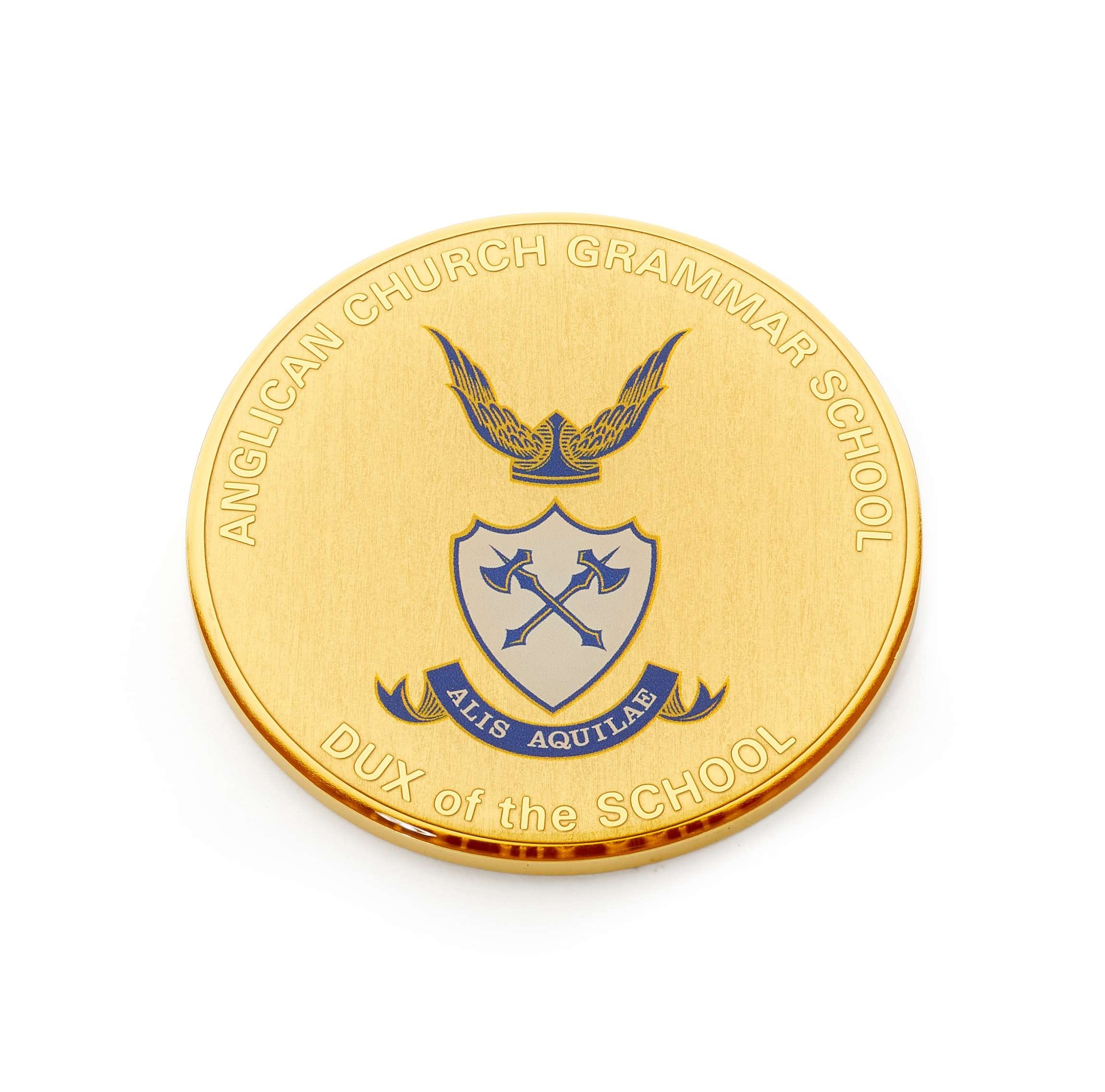
There is a moment that Chris Wilkins lives for. It happens in a pro shop, or at a trade show, or across a table in a boardroom. A Director of Golf — someone who has been ordering the same bag tags and tournament medals for fifteen years — picks up a T&S piece for the first time. They don’t say anything immediately.
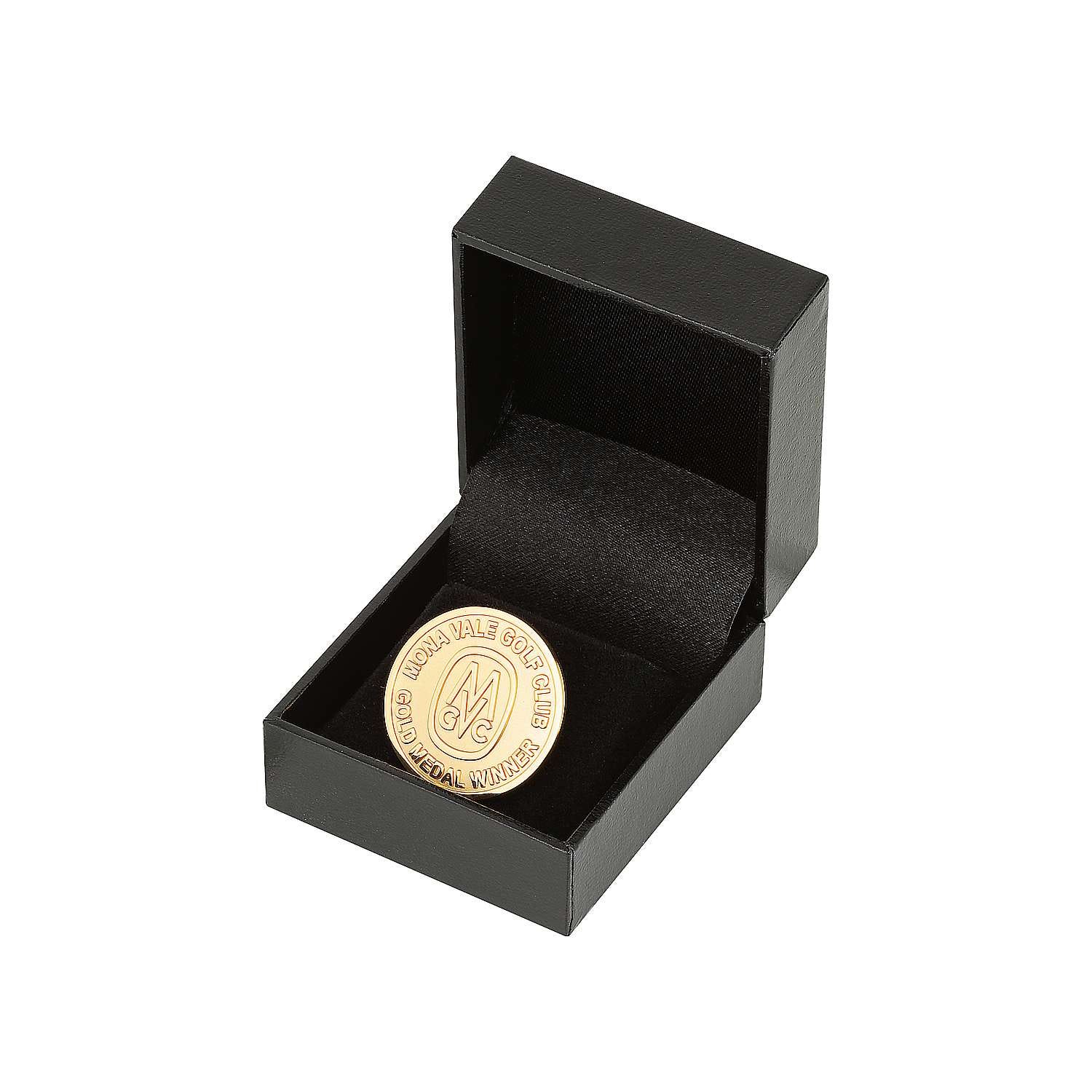
They turn it over. They run their thumb across the surface. They feel the weight of it settle into their palm — not the lightness of stamped zinc, not the hollow rattle of epoxy-coated alloy, but something closer to currency. Something that doesn’t move. The colors don’t sit on the surface; they live inside it, fused into the metal at temperatures that approach 800 degrees Celsius, ground flat by hand until the enamel and the metal are perfectly flush.
“Machines can’t replicate this,” Wilkins says. “You can’t automate the ‘feel.’ When you hold a piece of genuine hard enamel, your thumb knows the difference instantly. It feels like currency. It feels like value.”
That moment — that quiet recalibration — is what T&S Medals and Insignia is betting on.
The numbers behind the silence
The economics of golf awards are not complicated. They are just rarely spoken about honestly.
A standard bag tag from a volume supplier — the kind that fills the merchandise drawers of thousands of clubs across America — costs somewhere around ten dollars to produce. It gets sold to the club for twenty, maybe thirty. The margin is healthy. The product is forgettable.
A T&S entry-level bag tag — still, in Wilkins’ own words, “far beyond anything else in the market” — runs at around forty-five dollars per piece. Their premium pieces sit between fifty and fifty-five.
The difference in price is modest. The difference in what you are holding is not.
At the upper end of the market, the gap becomes almost absurd. At some of the most prestigious tournaments in the world, commemorative coins and keepsakes sell for two hundred and fifty dollars or more in the official merchandise shop. The presentation box is beautiful. The unboxing experience is considered. But the object inside — silver-core, wrapped in acrylic — carries a surface finish and a quality of manufacture that T&S would not accept off their own production line. The cost to produce it? Probably forty or fifty dollars.
“The markup is real,” Wilkins says. “But the quality isn’t always there to justify it.”
The person in the room who doesn’t see it
Here is the complication T&S hasn’t fully solved yet.
The Director of Golf, Wilkins has found, usually gets it immediately. They are golfers. They have spent years developing an appreciation for craft — for the weight of a milled putter, for the way a forged iron feels at contact, for the difference between something made and something manufactured. When they hold a T&S piece, the neural pathway is already there.
The Merchandise Manager is a different conversation.
In the larger clubs — the ones with the budget and the footprint to support a dedicated merchandise operation — it is increasingly the Merchandise Manager who makes the call on awards and recognition products. And more often than not, that person is young. They are professional and well-intentioned, but they are early in their golfing journey.
“They can be a bit hit and miss,” Wilkins says. “They’re very young in their golfing journey to understand what I’m trying to say to them about how good this would be for their tournaments, for their members and their guests. Because they’re also not usually golfers.”
This is the quiet challenge at the center of T&S’s move into elite golf: the product sells itself, but only to the person who already speaks the language.
What the club is really selling
Here is the frame that Wilkins keeps returning to, the one that tends to cut through:
Walk through the bag drop at any serious private club in America. Look at what’s in the bags. Japanese forged irons crafted with the same metallurgy used in samurai swords. Milled putters — likely Scotty Cameron or Bettinardi — treated with the reverence of religious artifacts. Exotic shafts. Hand-stitched leather headcovers.
Now look at what hangs from the zipper.
More often than not, it is a piece of stamped zinc alloy, coated in a thin layer of epoxy, churned out by the thousands in a nameless factory. It is lightweight. It feels temporary. In a game obsessed with tradition, permanence, and legacy, the objects used to commemorate achievement have become disposable.
“If a member cherishes a milled Scotty Cameron putter for its craftsmanship,” Wilkins says, “why would a club recognize their achievements with anything less?”
A Member-Guest at a top-100 club might carry an entry fee of two or three thousand dollars. The memories made over those two days are irreplaceable. At the end of it, the participants are handed something that feels like it came from a trade show giveaway bin.
A T&S piece does something different. Hard enamel fused to metal does not yellow in the sun. It does not scratch. It does not peel. A bag tag made today will look identical in fifty years. It is, as Wilkins puts it, an heirloom — not metaphorically, but literally.
The standard they carry
This is not a company that learned quality in order to serve golf. It is a company that has been trusted with the highest possible standard for four decades, and is now bringing that standard to a new category.
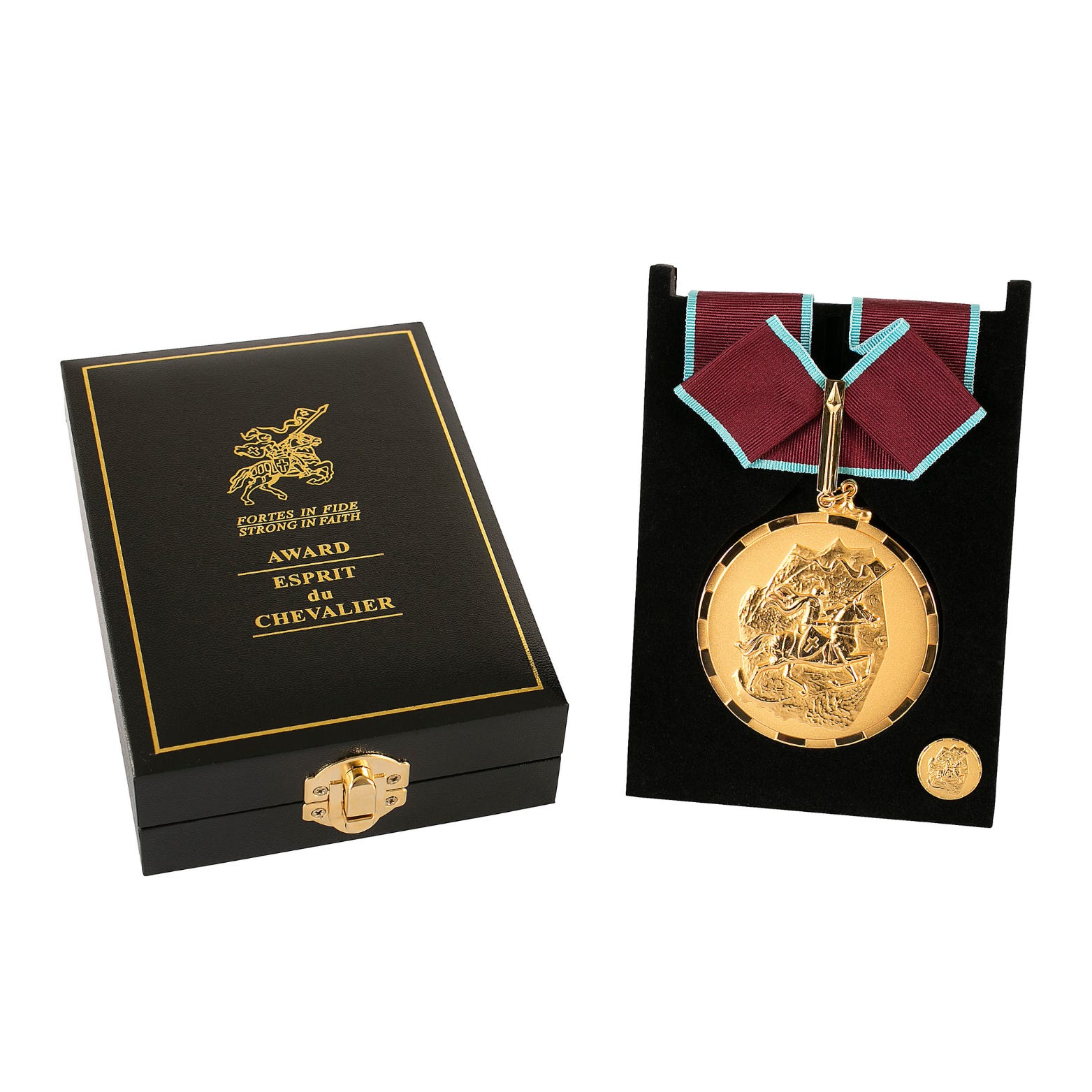
Since the year 2000, T&S Medals and Insignia has held the contract to produce the Order of Australia — the highest civilian honor the Australian government bestows. When a dignitary receives recognition for a life of service, the object in that moment was made by the Wilkins family’s business.
They have crafted pieces presented to King Charles III. To the late Prince Philip. To former US President Bill Clinton. “If you make a mistake on a golf bag tag, a customer complains,” says one industry insider familiar with their work. “If you make a mistake on a medal being pinned onto a King or a President, it’s a diplomatic incident. That level of scrutiny creates a culture of perfection that you simply cannot fake.”
It is this DNA — not a marketing position, but a lived standard — that T&S is importing into elite golf. The Club Championship medal should carry the same gravity as the Order of Australia. The guest bag tag from a bucket-list round at a great course should anchor that memory for a lifetime, not spend a week in a jacket pocket before disappearing.
The moment
None of this, in the end, is communicated through words. It is communicated through the object itself, in the moment when it is first held. The weight. The coolness of the metal. The thumb moving across a surface where enamel and steel meet flush, ground smooth by an artisan whose hands have done this for thirty-five years in a factory in Singapore that has worked with T&S since the very beginning. That is the moment Chris Wilkins is chasing in every pro shop, every trade show, every boardroom meeting. The moment when the Director of Golf stops talking, and just holds it. And their thumb knows.